The meteoric rise of employee stock option plans (ESOPs) in the technology sector has become more than just a corporate compensation strategy; it has evolved into a potent economic force reshaping the very geography of wealth. In tech-centric urban hubs from San Francisco and Seattle to Austin and Boston, the liquidity events triggered by these options are creating seismic shifts in local real estate markets. What began as a tool for startups to attract top talent has morphed into a key driver of urban development, housing affordability crises, and new socio-economic patterns. The phenomenon represents a fascinating, and often disruptive, intersection of corporate finance, employee wealth, and urban economics.
At its core, an ESOP grants employees the right to purchase company stock at a predetermined price, often lower than the market value at the time of exercise. For decades, this was a slow-burn wealth generator. However, the current era of rapid tech valuations and frequent IPOs or acquisitions has compressed this timeline dramatically. An employee can join a startup and, within a few years, find themselves with a life-changing financial windfall. This instant wealth creation is not distributed evenly but is heavily concentrated in cities that serve as the nation's technology epicenters.
The most immediate and visible impact of this concentrated wealth is on housing demand and prices. When a tech company goes public or is acquired, it doesn't just create a few millionaires; it can create hundreds or even thousands of them almost simultaneously. This cohort, often young and suddenly flush with cash, enters the housing market with significant purchasing power. They are not looking for starter homes; they are competing for premium properties, often with all-cash offers well above asking price. This intense, clustered demand exerts tremendous upward pressure on the entire local housing ecosystem, from luxury condos to modest single-family homes, pricing out long-term residents and creating a stark divide between the tech-haves and have-nots.
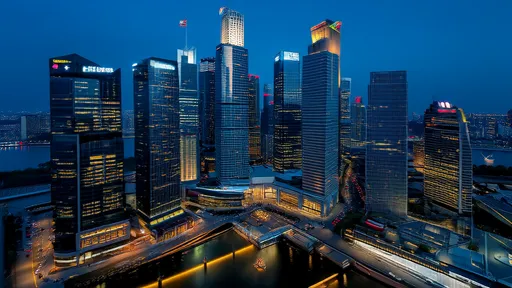
Beyond simple price inflation, ESOP wealth is altering the type of housing being built and the character of neighborhoods. Developers, keenly aware of this new class of buyer, are incentivized to focus on high-end, high-margin properties. Glass-walled condominium towers, smart homes equipped with the latest technology, and gated communities with premium amenities become the standard new inventory. This shift in supply further exacerbates affordability issues, as fewer resources are dedicated to building middle-income or affordable housing units. The architectural and cultural fabric of entire districts is transformed to cater to the tastes and financial capabilities of this new wealthy demographic.
The influence extends beyond residential real estate into the commercial and retail sectors. Newly wealthy individuals often become angel investors or venture capitalists themselves, funding the next generation of startups. This creates a self-reinforcing cycle: tech wealth begets more tech companies, which beget more ESOP-driven wealth. These startups need office space, driving up commercial rental rates. Furthermore, the spending habits of this affluent group revitalize local retail and hospitality. High-end boutiques, gourmet restaurants, luxury car dealerships, and premium fitness centers flourish, changing the commercial landscape to serve a more affluent clientele and often displacing older, established local businesses that can no longer afford the rising rents.
This transformation, however, is a double-edged sword for tech cities. On one hand, the influx of capital leads to economic vibrancy, job creation, and increased tax revenues that can fund public projects. On the other hand, it breeds severe inequality and social stratification. Teachers, firefighters, service workers, and even mid-career professionals in non-tech industries are increasingly pushed to the urban fringes, facing grueling commutes as they are priced out of the communities they serve. This can lead to a hollowing out of the city's social diversity and place immense strain on public infrastructure and services.
Municipal governments find themselves in a difficult position, grappling with the consequences of this ESOP-driven boom. The increased tax revenue is a boon for city budgets, but the political and social pressure to address the housing affordability crisis is immense. Cities are experimenting with a range of policies, from upzoning to permit more density and incentivize affordable housing construction, to implementing controversial mansion taxes on high-value real estate transactions. The challenge is to harness the economic benefits of the tech wealth explosion while mitigating its most damaging side effects, a balancing act that few have mastered.
Looking forward, the relationship between ESOPs and real estate is likely to grow even more complex. The rise of remote work, accelerated by the pandemic, offers a potential counter-trend. Some newly minted tech millionaires, untethered from a physical office, are choosing to cash out their options and relocate to less expensive cities or rural areas, taking their wealth with them. This could begin to diffuse the intense pressure on traditional tech hubs and seed new micro-markets in previously affordable towns, potentially creating a new set of challenges for those communities.
In conclusion, the wealth effect generated by employee stock options is a powerful, albeit disruptive, force redefining America's tech urban landscapes. It is a primary engine behind the rapid appreciation of real estate, the transformation of neighborhood character, and the deepening of economic inequality in these cities. The story is no longer just about Silicon Valley; it is a blueprint being replicated in emerging tech hubs across the country. Understanding this dynamic is crucial for policymakers, urban planners, real estate professionals, and residents alike, as they navigate the opportunities and upheavals of this new economic reality. The full long-term societal impact of this concentrated, option-driven wealth remains to be seen, but its mark on the physical and economic structure of our cities is already indelible.

By /Aug 30, 2025

By /Aug 30, 2025

By /Aug 30, 2025

By /Aug 30, 2025

By /Aug 30, 2025

By /Aug 30, 2025
By /Aug 30, 2025

By /Aug 30, 2025

By /Aug 30, 2025

By /Aug 30, 2025

By /Aug 30, 2025

By /Aug 30, 2025

By /Aug 30, 2025

By /Aug 30, 2025

By /Aug 30, 2025

By /Aug 30, 2025

By /Aug 30, 2025

By /Aug 30, 2025

By /Aug 30, 2025

By /Aug 30, 2025
