In the world of music, where sound is both the medium and the message, protecting one's hearing is often overlooked. Musicians, whether they are classical violinists or rock drummers, face unique challenges when it comes to preserving their auditory health. The constant exposure to high decibel levels, prolonged rehearsals, and the need for precise sound discrimination create a perfect storm for potential hearing damage. Yet, many artists remain unaware of the risks or dismiss them as an inevitable part of the profession. This article explores the importance of customized hearing protection for musicians and how tailored solutions can safeguard their most valuable asset—their ears.
The delicate structures of the inner ear are not designed to withstand the relentless assault of loud music over time. Unlike industrial workers who might encounter sporadic loud noises, musicians are exposed to harmful sound levels for extended periods, often without adequate breaks. This continuous exposure can lead to noise-induced hearing loss (NIHL), a condition that is irreversible but entirely preventable. What makes the situation even more complex is that musicians rely on their ability to discern subtle tonal variations, meaning standard earplugs that muffle sound are often impractical. Generic hearing protection can distort pitch and volume, making it difficult for performers to play in tune or harmonize with others.
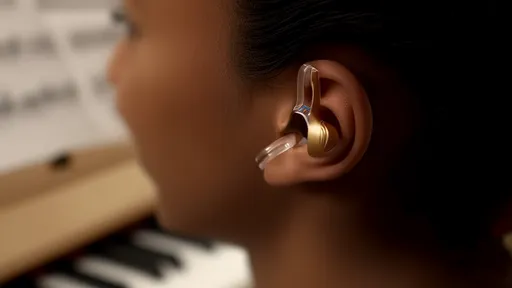
Custom-molded musician’s earplugs have emerged as a game-changer in this space. Unlike off-the-shelf options, these earplugs are designed to attenuate sound evenly across frequencies, preserving the clarity of music while reducing volume to safe levels. Audiologists work closely with musicians to create impressions of their ear canals, ensuring a perfect fit that maximizes comfort and effectiveness. The result is a pair of earplugs that feel natural during long performances and rehearsals. For professional musicians, investing in such solutions is not just about health—it’s about sustaining their careers. The ability to hear nuances in music is what separates good performers from great ones, and protecting this ability should be a top priority.
Beyond earplugs, monitoring systems and in-ear technology have also evolved to address hearing protection. Many modern musicians use in-ear monitors (IEMs) that serve a dual purpose: they deliver clear, personalized mixes directly to the ears while acting as a barrier against external noise. These devices can be calibrated to limit sound exposure to safe levels without sacrificing audio quality. For orchestral players, who often sit in front of loud brass or percussion sections, specialized filters can be added to earplugs to attenuate specific frequency ranges. The key is personalization—what works for a DJ blasting electronic music at a festival won’t necessarily suit a jazz pianist in an intimate club setting.
Education plays a critical role in fostering a culture of hearing conservation among musicians. Many are unaware that hearing damage accumulates over time, and by the time symptoms like tinnitus or muffled hearing appear, it’s often too late to reverse the effects. Music schools and conservatories are beginning to integrate hearing health into their curricula, teaching students how to recognize dangerous sound levels and use protection effectively. Seasoned professionals, too, are sharing their experiences with hearing loss, destigmatizing the use of earplugs and encouraging younger artists to adopt preventive measures early in their careers.
The psychological aspect of hearing protection cannot be ignored. For some musicians, wearing earplugs feels like a barrier between them and their art—a compromise they are reluctant to make. This mindset is slowly shifting as more artists realize that protecting their hearing doesn’t diminish their connection to music; it ensures they can continue to create and perform for years to come. The stigma around hearing aids is also fading, with many musicians embracing advanced devices that not only compensate for hearing loss but also enhance their ability to perceive music in noisy environments.
Technology continues to push the boundaries of what’s possible in hearing protection. Researchers are developing smart earplugs that can dynamically adjust attenuation based on real-time sound levels, offering optimal protection without manual intervention. Some prototypes even incorporate biometric sensors to monitor stress levels and fatigue, which can exacerbate the effects of noise exposure. As these innovations become more accessible, they promise to revolutionize how musicians approach hearing conservation, making it easier than ever to integrate protection seamlessly into their daily routines.
Ultimately, the responsibility for hearing protection lies with both individuals and the industry as a whole. Venues must prioritize acoustic design that minimizes harmful reflections and excessive volume, while sound engineers should be trained to balance audio quality with safe listening levels. Musicians, regardless of genre or fame, must view hearing protection as non-negotiable—an essential part of their toolkit rather than an optional accessory. The music industry thrives on creativity and expression, but none of it is possible without the ability to hear. By embracing customized solutions and fostering a proactive approach to auditory health, musicians can ensure their passion doesn’t come at the cost of their hearing.

By /Jul 21, 2025

By /Jul 21, 2025

By /Jul 21, 2025

By /Jul 21, 2025

By /Jul 21, 2025

By /Jul 21, 2025

By /Jul 21, 2025

By /Jul 21, 2025

By /Jul 21, 2025

By /Jul 21, 2025
By /Jul 21, 2025

By /Jul 21, 2025

By /Jul 21, 2025

By /Jul 21, 2025

By /Jul 21, 2025

By /Jul 21, 2025

By /Jul 21, 2025

By /Jul 21, 2025

By /Jul 21, 2025
By /Jul 21, 2025
