In recent years, the concept of nudging has gained significant traction in the field of public health. Unlike traditional approaches that rely on mandates or education alone, nudging leverages subtle changes in the environment to encourage healthier choices without restricting freedom. This approach is rooted in behavioral science, recognizing that human decisions are often influenced by context, convenience, and subconscious cues rather than purely rational deliberation.
The power of nudges lies in their ability to align with how people naturally think and act. For instance, placing fruits at eye level in a cafeteria or using smaller plates to reduce portion sizes are simple yet effective strategies. These interventions don’t require individuals to exert willpower or make conscious efforts to change. Instead, they work by making the healthier option the easier or more appealing choice. Research has shown that such small tweaks can lead to meaningful improvements in dietary habits, physical activity, and even medication adherence.
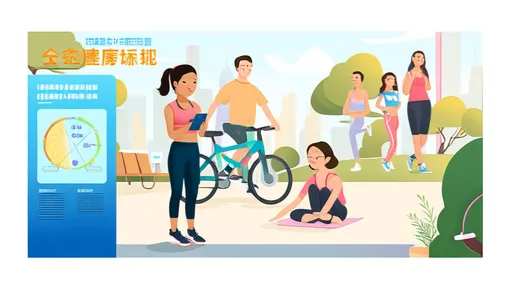
One of the most compelling aspects of nudging is its scalability. Unlike intensive counseling or costly campaigns, many nudges can be implemented with minimal resources. Supermarkets, workplaces, and schools can all serve as settings for these interventions. For example, labeling stairs as a "fun way to stay active" with colorful signage has been shown to increase stair usage over elevators. Similarly, providing feedback on energy consumption compared to neighbors can motivate households to reduce their electricity use. The versatility of nudges makes them a practical tool for addressing a wide range of health behaviors.
Critics, however, argue that nudges may lack the potency to drive sustained behavior change, especially for complex habits like smoking cessation or weight management. While nudges can create initial shifts, they might not be sufficient for long-term transformation without additional support. Combining nudges with other strategies—such as incentives, social support, or education—could enhance their impact. For instance, a nudge to encourage gym attendance might be more effective if paired with a buddy system or progress tracking.
Ethical considerations also come into play when designing nudges. Since these interventions operate subtly, there’s a fine line between guiding choices and manipulating them. Transparency is key; people should be aware of how their environment is shaped to promote health. Moreover, nudges should prioritize autonomy, ensuring that individuals always have the freedom to opt out. A well-designed nudge respects agency while gently steering people toward better decisions.
The future of health behavior change may lie in the intelligent integration of nudges with technology. Digital platforms, such as fitness apps or wearable devices, can deliver personalized nudges in real time. A reminder to stand up after prolonged sitting or a congratulatory message for hitting step goals can reinforce positive behaviors. As artificial intelligence advances, these systems could become even more tailored, adapting to an individual’s preferences and habits for maximum effectiveness.
Ultimately, nudging represents a promising avenue for promoting public health in a way that feels effortless and intuitive. By understanding the quirks of human behavior and designing environments that work with—rather than against—these tendencies, we can foster healthier societies. While not a silver bullet, nudges offer a practical, low-cost complement to broader health initiatives, proving that sometimes, the smallest changes can make the biggest difference.

By /Jul 21, 2025

By /Jul 21, 2025
By /Jul 21, 2025

By /Jul 21, 2025

By /Jul 21, 2025

By /Jul 21, 2025

By /Jul 21, 2025

By /Jul 21, 2025
By /Jul 21, 2025

By /Jul 21, 2025

By /Jul 21, 2025

By /Jul 21, 2025

By /Jul 21, 2025

By /Jul 21, 2025
By /Jul 21, 2025

By /Jul 21, 2025

By /Jul 21, 2025

By /Jul 21, 2025

By /Jul 21, 2025

By /Jul 21, 2025
