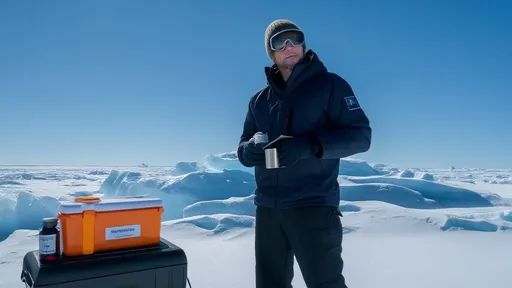
The harsh environment of polar regions presents unique challenges for human health, particularly when it comes to maintaining adequate vitamin D levels. With months of darkness during polar winters and limited exposure to sunlight, researchers and expedition members face significant risks of vitamin D deficiency. This has led to the development of specialized supplementation strategies tailored to the extreme conditions of Arctic and Antarctic research stations.
Understanding the vitamin D dilemma in polar regions requires a grasp of how the body normally produces this crucial nutrient. In most parts of the world, sunlight exposure triggers vitamin D synthesis in the skin. However, during the polar night - which can last up to six months at the highest latitudes - this natural production mechanism becomes impossible. Even during summer months, heavy protective clothing and limited time outdoors further restrict sun exposure.
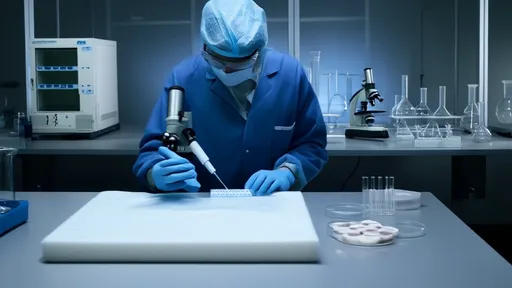
Scientific studies conducted at various polar stations have revealed alarming rates of vitamin D deficiency among winter-over personnel. Blood tests consistently show levels far below recommended thresholds, with some expedition members developing symptoms of deficiency such as bone pain, muscle weakness, and compromised immune function. These findings have spurred polar medicine specialists to develop comprehensive supplementation protocols.
The current gold standard for vitamin D supplementation in polar environments involves daily doses ranging from 1000 to 4000 IU, depending on individual factors and the timing within the annual light cycle. Some stations have implemented a tiered approach, increasing dosage during the darkest months and tapering as sunlight returns. Regular blood monitoring ensures each individual maintains optimal serum vitamin D levels throughout their stay.
Nutrition plays a complementary role in these supplementation strategies. While diet alone cannot provide sufficient vitamin D in polar conditions, research stations carefully plan menus to include vitamin D-rich foods such as fatty fish, fortified dairy products, and eggs. Some stations have even experimented with UV-treated mushrooms that naturally boost their vitamin D content when exposed to specific light wavelengths.
Technological solutions have emerged to support vitamin D maintenance in these extreme environments. Specialized lighting systems that emit UVB radiation, similar to medical phototherapy units, are being tested at several research stations. These allow safe, controlled exposure to the wavelengths needed for cutaneous vitamin D synthesis without the risks associated with natural polar UV exposure.
The psychological aspects of vitamin D deficiency cannot be overlooked in polar environments. There appears to be a complex relationship between vitamin D status and mental health, particularly during the isolating winter months. Some studies suggest that proper vitamin D supplementation may help mitigate seasonal affective disorder symptoms common in polar regions, though more research is needed in this area.
Implementation of these strategies varies between different national polar programs. The British Antarctic Survey, for instance, has established rigorous supplementation protocols based on decades of medical research. Similarly, Arctic stations operated by northern countries like Norway and Canada have developed their own guidelines adapted to their specific conditions and populations.
Emerging research continues to refine our understanding of vitamin D requirements in polar environments. Recent studies are investigating whether traditional Arctic diets and genetic adaptations in indigenous populations might offer insights for modern supplementation strategies. Other work focuses on the potential benefits of combining vitamin D with other nutrients like omega-3 fatty acids for enhanced absorption and effectiveness.
The success of these vitamin D maintenance programs has broader implications beyond polar research. Lessons learned in these extreme environments inform nutritional strategies for other low-sunlight situations, from submarine crews to astronauts on long-duration space missions. The polar regions serve as natural laboratories for understanding human nutritional needs under conditions of prolonged darkness.
As climate change alters polar environments, vitamin D supplementation strategies may need to adapt. Some researchers speculate that increased summer sunlight exposure due to melting ice could change the equation, though the core challenge of winter darkness remains. Ongoing monitoring and research will ensure that polar vitamin D protocols continue to evolve with the changing environment.
The development of effective vitamin D supplementation strategies for polar expeditions represents a significant achievement in expedition medicine. By combining nutritional science, medical monitoring, and technological innovation, researchers have largely solved what was once a serious health threat to polar scientists and support staff. These protocols now stand as a model for maintaining health in other extreme environments where sunlight is limited or absent.

By /Jul 21, 2025
By /Jul 21, 2025

By /Jul 21, 2025

By /Jul 21, 2025

By /Jul 21, 2025

By /Jul 21, 2025

By /Jul 21, 2025

By /Jul 21, 2025

By /Jul 21, 2025
By /Jul 21, 2025

By /Jul 21, 2025

By /Jul 21, 2025

By /Jul 21, 2025

By /Jul 21, 2025

By /Jul 21, 2025

By /Jul 21, 2025

By /Jul 21, 2025

By /Jul 21, 2025

By /Jul 21, 2025

By /Jul 21, 2025
